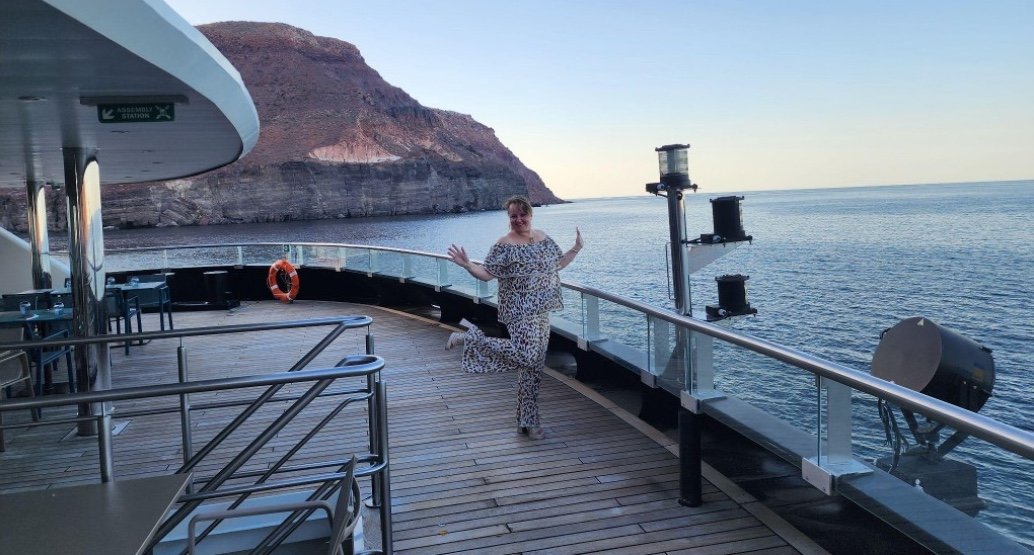
I had the incredible opportunity to sail the stunning Sea of Cortez and Baja California coastline aboard the Scenic Eclipse, travelling from Loreto in Mexico to San Diego in California.
Cradled between the arid Baja California Peninsula and mainland Mexico, the region might first appear to be nothing more than rugged, windswept coastline. However, once you venture beneath the surface, it reveals something entirely different — a thriving marine ecosystem of extraordinary richness.
The Sea of Cortez (also known as the Gulf of California) is home to an incredible abundance of wildlife, including dolphins, sea turtles, blue whales, orcas, and countless other marine species. Its ecological significance has earned it recognition as a UNESCO World Heritage Site.
It’s easy to understand why explorer Jacques Cousteau famously referred to it as “the world’s aquarium” — a place where life above and below the water is constantly in motion and astonishingly diverse.

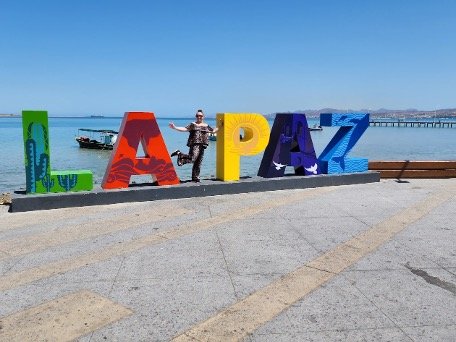
With additional stops in La Paz, a city known for its relaxed, old-world charm and pleasant waterfront promenade, the journey offers a more laid-back and authentic side of Baja California. It’s the kind of place where you can stroll the malecón, enjoy the coastal views, and soak up a slower pace of life.
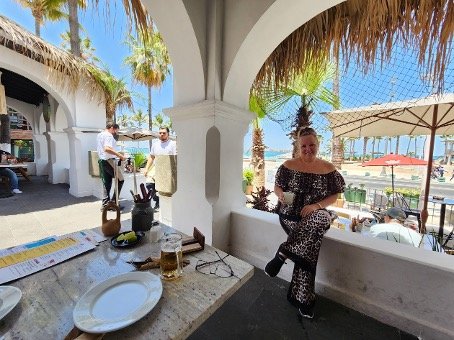
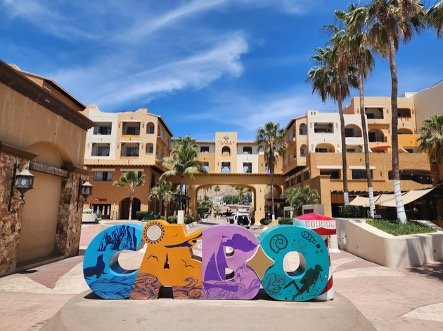
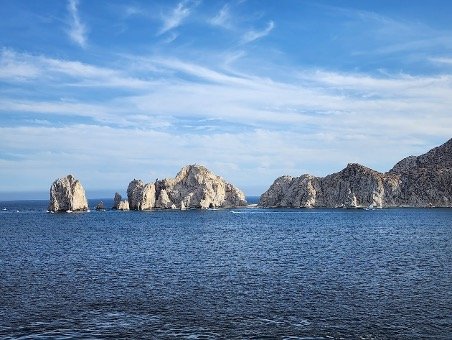
Further south, the voyage reaches Cabo San Lucas, located at the southern tip of the Baja California Peninsula. This vibrant destination is known for its beaches, water sports, luxury resorts, and lively restaurant scene. It’s also famous for its resident sea lions, often seen lounging around the harbour and rocky outcrops, adding to the area’s unique coastal character.
Together, these stops provide a striking contrast — from the calm, traditional atmosphere of La Paz to the energetic, resort-driven buzz of Cabo San Lucas.

Magdalena Bay was a true highlight of the journey. Sheltered by long sandy barrier islands — including Isla Magdalena and Isla Santa Margarita — it forms one of only a few protected breeding areas where gray whales come to give birth and nurse their calves.
Between December and April is the prime season for sightings, with February and March often offering the most active and memorable encounters. Watching these enormous yet gentle animals in such calm, shallow waters is an unforgettable experience.
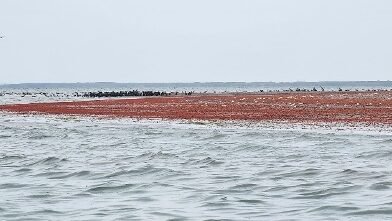
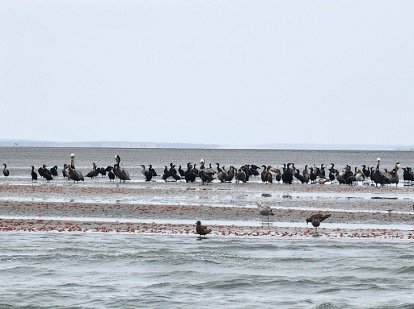
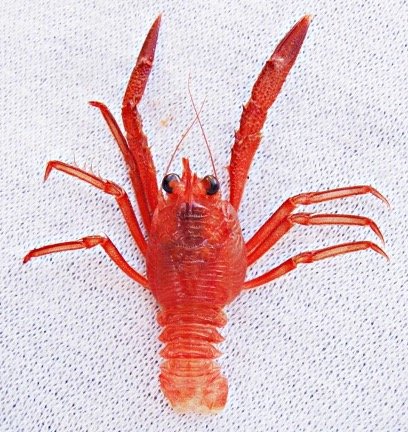
Equally striking is the sheer abundance of marine life in the bay. The waters can be filled with trillions of pelagic red crabs, creating an almost surreal red shimmer across the surface. It’s an incredible natural phenomenon — you can dip your hand into the water and find them everywhere, moving in dense, living clouds.
Magdalena Bay feels both wild and intimate at the same time — a rare place where large marine mammals and microscopic ocean life intersect in one extraordinary ecosystem.

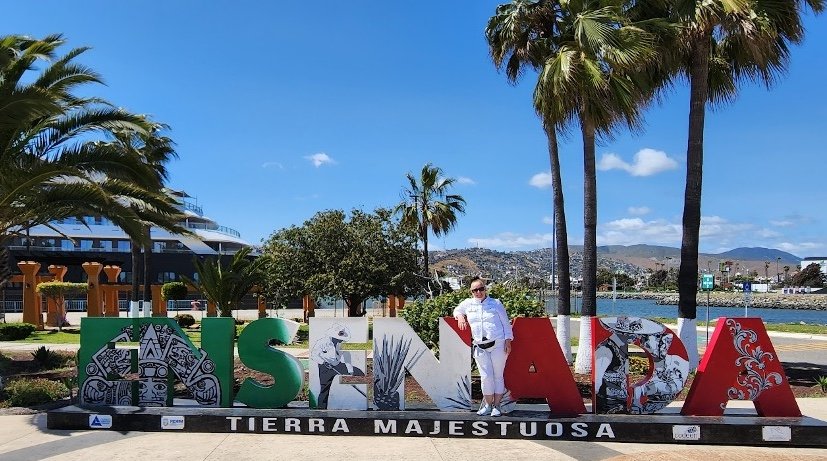
There was also an unscheduled stop at Ensenada, a busy deep-water port where the town itself is an easy walk from the dock.
Ensenada is one of the oldest European-influenced settlements in Baja California and has a relaxed, slightly historic feel compared to larger Mexican coastal cities. It’s known for its colourful shops, seafood restaurants, and lively streets often filled with music and local atmosphere.
One of its culinary landmarks is El Rey Sol, widely regarded as one of Mexico’s oldest French restaurants, established in 1947. It adds a unique European touch to the town’s otherwise very coastal, Mexican character.
Overall, Ensenada offers a pleasant mix of port-town authenticity, food culture, and easy exploration — making even a short stop feel worthwhile and memorable.